
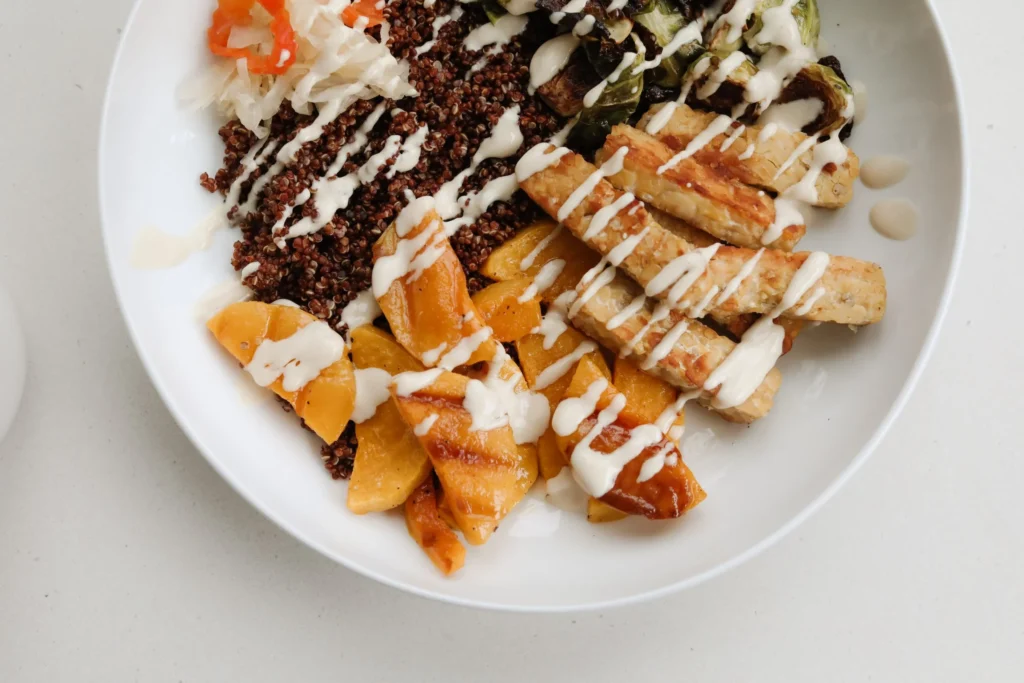
I used to pace around my kitchen at 4 p.m., nibbling on whatever was within arm’s reach, wondering why I couldn’t just have one proper snack like a normal person. Sound familiar?
If you’ve ever asked yourself, “Why do I keep snacking all day, even when I’m not hungry?” — you’re not alone. A lot of people get stuck in the grazing cycle: nibbling through the afternoon, feeling out of control around food, and never really satisfied.
As a registered dietitian, I’ve seen this pattern again and again. And the good news is that you can stop grazing without restricting yourself or following some rigid meal plan. 80/20 is enough.
Why We Graze All Day (It’s Not Just Willpower)
Grazing gets blamed on willpower, but it rarely comes down to that. Here are the most common root causes:
1. Unbalanced meals
When a meal is missing protein, carbs, fat, or fiber, you’ll feel hungry again soon after eating. Then comes the unconscious nibbling to fill in the gaps.
2. Emotional eating and stress
Boredom, anxiety, or just a long workday can trigger grazing — especially at night when comfort is what we’re really reaching for.
3. Disconnection from hunger cues
After years of dieting, many people lose touch with their body’s natural signals. Eating becomes habit rather than response to actual hunger.
4. Lack of routine
No clear rhythm to meals means mindless snacking fills the void. This is especially true in a work-from-home setup where kitchen and desk share the same room.
5. Food everywhere
If snacks are visible and within easy reach, you’ll eat them — often without even realizing it.
How to Break Free From the Grazing Cycle
Now for the practical part. Here’s how I help my clients (and myself) move from constant grazing to calm, intentional eating:
1. Build balanced, satisfying meals
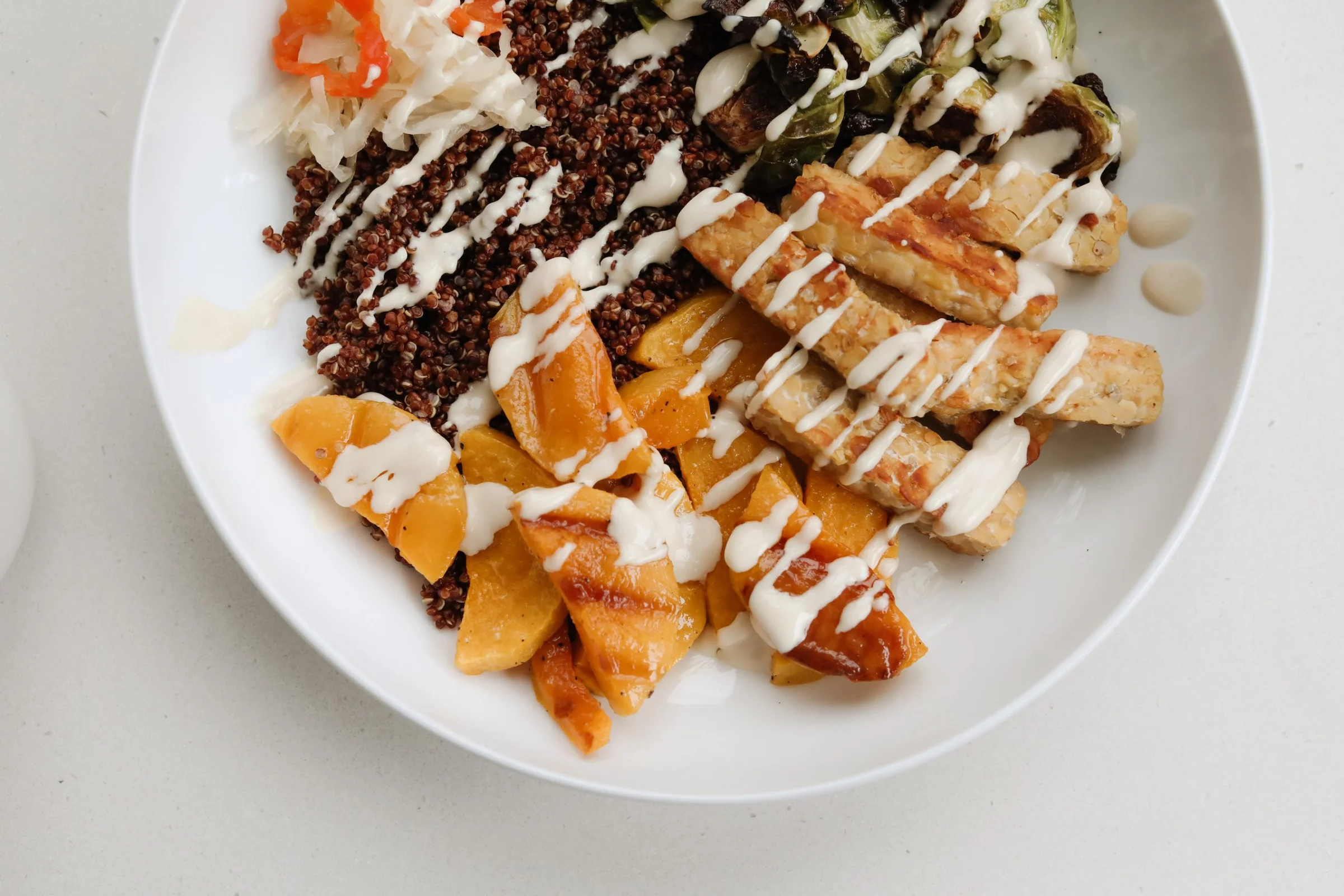
Aim for each main meal to include protein for fullness, fats for satisfaction, fiber-rich carbohydrates for steady energy, non-starchy vegetables for volume and nutrients, and a flavor element just for enjoyment. When your meals cover these bases, the urge to graze drops on its own.
2. Reconnect with hunger and fullness
Before grabbing something to eat, pause and ask yourself:
- Am I physically hungry, or am I feeling something else — stress, boredom?
- Where do I feel this sensation in my body?
- What would feel truly nourishing right now?
This simple check-in builds awareness without any guilt attached.
3. Set gentle meal rhythms
Instead of grazing randomly, create soft anchors: breakfast, lunch, and dinner around the same time each day, with intentional snack breaks between meals if you need them. This isn’t about rigid scheduling — it’s about giving your body a rhythm it can relax into.
4. Redesign your food environment
Out of sight, out of mind works here too:
- Keep meals and snacks in the kitchen or designated eating areas.
- Store high-trigger foods out of immediate reach, or portion them ahead of time.
- Avoid eating straight from bags or packages — use a plate or bowl instead.
5. Soothe emotional triggers without food
If emotions are driving your grazing, try non-food ways to reset:
- Deep breathing or a short meditation
- Journaling how you feel
- A quick walk outside
- Talking to a friend
Sometimes what we need isn’t food — it’s connection, rest, or stress relief.
6. Release perfectionism around eating
All-or-nothing thinking is one of the biggest grazing triggers. If you catch yourself thinking, “I already blew it today, might as well keep eating” — pause. Every moment is a fresh start. No guilt required.
The Morning Reset: A Snack Reset in 5 Minutes
Here’s a small ritual I love: first thing in the morning, set out your snack containers for the day before you even sit down with coffee. Portion two or three snacks ahead of time so when hunger hits, you reach for what’s already there instead of grazing through everything on the counter. Five minutes that make the rest of the day feel calmer around food.
Bonus: Don’t Fear Snacks — Just Make Them Mindful
Snacking isn’t bad. In fact, intentional snacks can support your energy and focus all day long. The key is to snack with purpose:
- Pause and check in before you eat.
- Portion your snack and enjoy it distraction-free — no phone, no work screen.
- Choose something with protein, fiber, or fat for longer-lasting satisfaction.
Frequently Asked Questions
Is it bad to snack throughout the day?
Not necessarily. Constant grazing without hunger often points to unmet emotional or physical needs. But mindful, balanced snacks can absolutely be part of a healthy routine.
Why can’t I stop snacking even when I’m full?
Emotional triggers like stress, boredom, or distraction often drive this pattern. Reconnecting with your body cues and practicing mindful awareness can help shift it.
How long does it take to break the grazing habit?
This varies from person to person, but many notice a difference within a few days of practicing mindful eating and building balanced meals.
A Note From Hazel
I still catch myself nibbling at my desk sometimes. But I’ve learned that the goal isn’t perfection — it’s awareness. A glass of water, three deep breaths, and asking “Am I actually hungry?” has changed more afternoons than any strict eating plan ever did.
Keep Reading
- How to Stay Connected to Your Body During the Holidays
- How to Eat at Night for Better Sleep: Mindful Tips to Avoid Overeating
- Restoring Your Smile: What I Learned About Dental Implants
Explore more in Mindful Eating.