
I used to think oral health was just about brushing twice a day and hoping for the best. Then I started noticing how much my teeth shaped everything else—how I ate, how I laughed in photos, whether I reached for an apple or left it on the counter because biting felt uncomfortable.
It turns out a confident smile is never just cosmetic. Missing teeth can affect chewing, speech, and even jawbone integrity. And that matters when you’re trying to eat well and feel good in your body.
Understanding Dental Implants
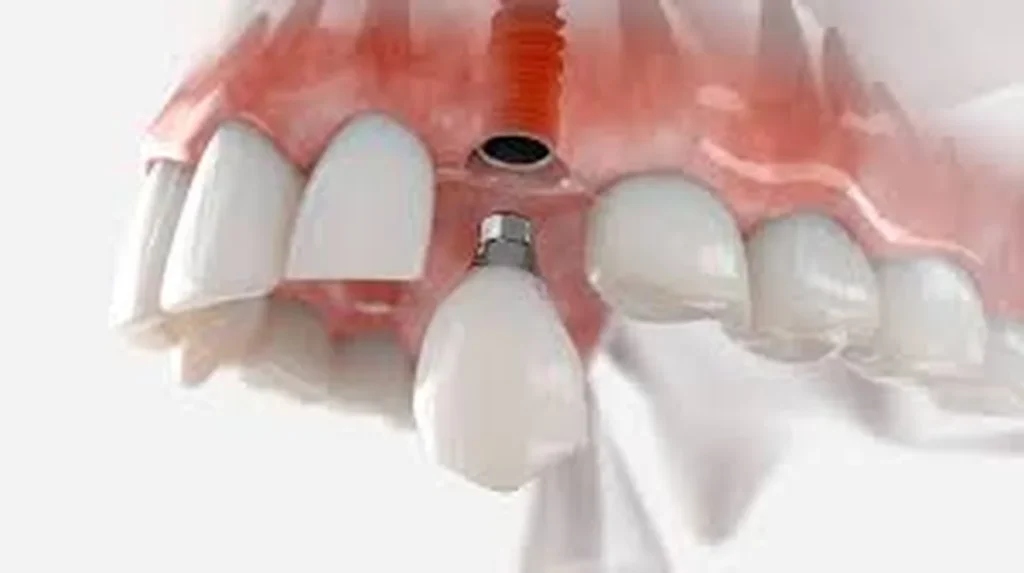
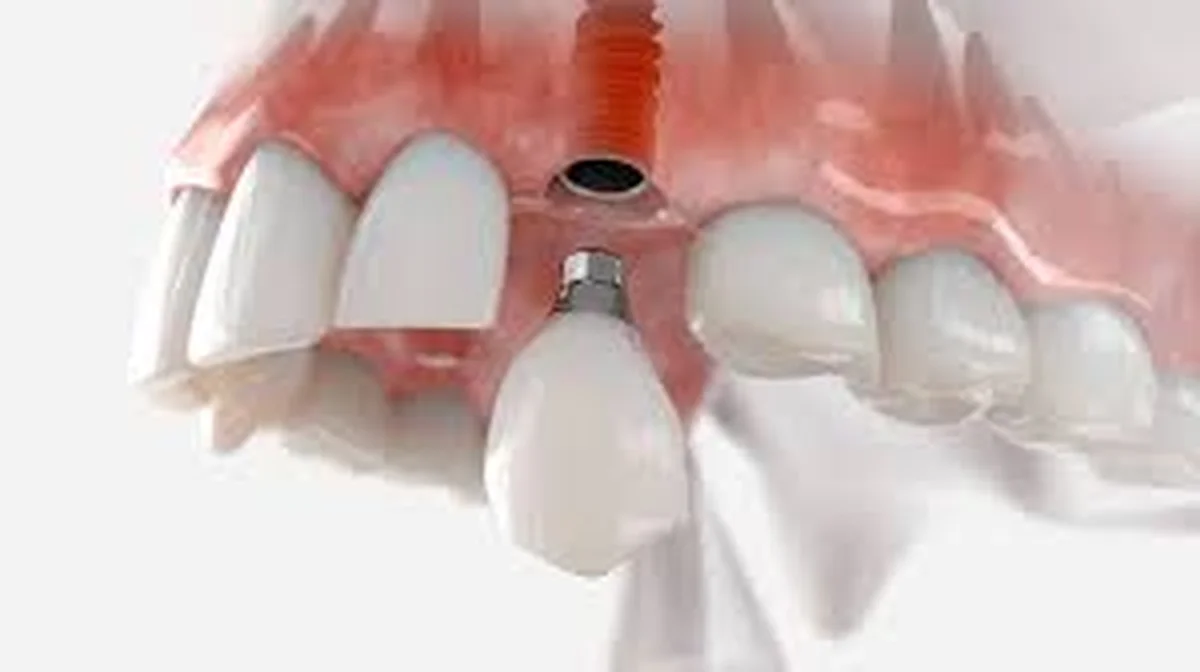
Dental implants are titanium posts surgically placed into the jawbone, acting as artificial roots for replacement teeth. Once they integrate with the bone—a process called osseointegration—they provide a strong foundation for crowns, bridges, or dentures.
They function like natural teeth, which means they prevent bone loss and help preserve your facial structure. That structural support matters more than most people realise. Implants are highly durable and can last decades with proper care.
Whether you’re missing one tooth, several gaps, or need a full-mouth restoration, implants also help maintain proper bite alignment. This reduces strain on adjacent teeth and supports overall oral mechanics—something I never considered until I looked into it properly.
The Benefits
The crowns are made to match your natural tooth colour and shape, giving you a smooth, natural-looking smile. But the real difference is how they feel: stable, like your own teeth. You can eat, speak, and laugh without that background worry.
Implants also keep your jawbone healthy. Unlike dentures resting on gums, implants stimulate the bone directly, preventing it from shrinking over time. They lower the chance of gum problems and stop nearby teeth from shifting into empty spaces.
They don’t need adhesives or constant adjustments. With proper care, they last for many years—which makes them practical rather than a luxury add-on.
Who Can Benefit?
Most adults with good general and oral health are candidates. Adequate bone density in the jaw is essential, and conditions like diabetes or gum disease should be managed before surgery.
Your dental professional will run a comprehensive evaluation, including imaging and health assessments, to make sure the procedure is safe and effective for you.
If you’ve worn dentures for a while, implants can feel life-changing—restoring both function and confidence. For those missing multiple teeth, implant-supported bridges or full-arch prosthetics offer a stable solution that genuinely improves quality of life.
Managing the Cost
Dental implants are a significant investment, but they’re considered cost-effective in the long term due to their durability and health benefits. Many clinics now offer flexible financing options—payment plans, insurance contributions, and staged procedures—to make treatment more accessible.
I think about it this way: missing teeth can lead to digestive issues from inefficient chewing, and they may contribute to bone loss and shifting teeth over time. Addressing these problems proactively isn’t just about aesthetics—it’s an investment in overall wellness.
The Procedure: What to Expect
The process typically involves several steps. The implant post is surgically placed into the jawbone under local anaesthesia. Then comes a healing period of several months while the post fuses with the bone. Once osseointegration is complete, a custom crown is attached.
Recovery is usually manageable—minor discomfort that can be addressed with pain management strategies and following post-operative care instructions. Good oral hygiene and regular dental check-ups ensure the longevity of your implants.
Modern Implant Innovations
Recent advances have made procedures less invasive, faster, and more predictable. Digital imaging, 3D planning, and precision-guided surgery enhance outcomes and reduce recovery times.
These innovations have revolutionised how patients restore their oral health, making implants an attractive option for a wide range of people—something that feels genuinely encouraging rather than intimidating.
The Morning Reset
A gentle morning routine for oral wellness:
- 3 deep breaths before brushing—set the tone, not rush into it.
- Soft-bristle brush and a mindful minute of gentle cleaning. No scrubbing.
- A glass of water first thing to kickstart hydration your mouth (and gut) has been waiting for all night.
Small shifts, big difference. 80/20 is enough.
FAQs
How long do dental implants last?
Dental implants are highly durable and can last decades with proper care—regular brushing, flossing, and professional check-ups.
Do I need a certain amount of bone density for implants?
Adequate bone density in the jaw is essential. Your dental professional will evaluate this during your consultation using imaging assessments.
Are dental implants covered by insurance?
Coverage varies. Many clinics offer flexible financing options including payment plans and staged procedures to help manage costs.
A note from Hazel
I’ve learned that taking care of your teeth isn’t about perfection—it’s about showing up consistently, gently. Whether it’s a daily habit or a bigger decision like exploring implants, the goal is sustainability over intensity. Your smile deserves attention, and so does everything beneath it.
Keep Reading
- What If the Last 21 Days Could Change Everything?
- Consumerism Is Exhausting: Why I Call It Choresumption
- Can Cannabidiol Actually Calm the Modern Mind?
Explore more in Wellness.