
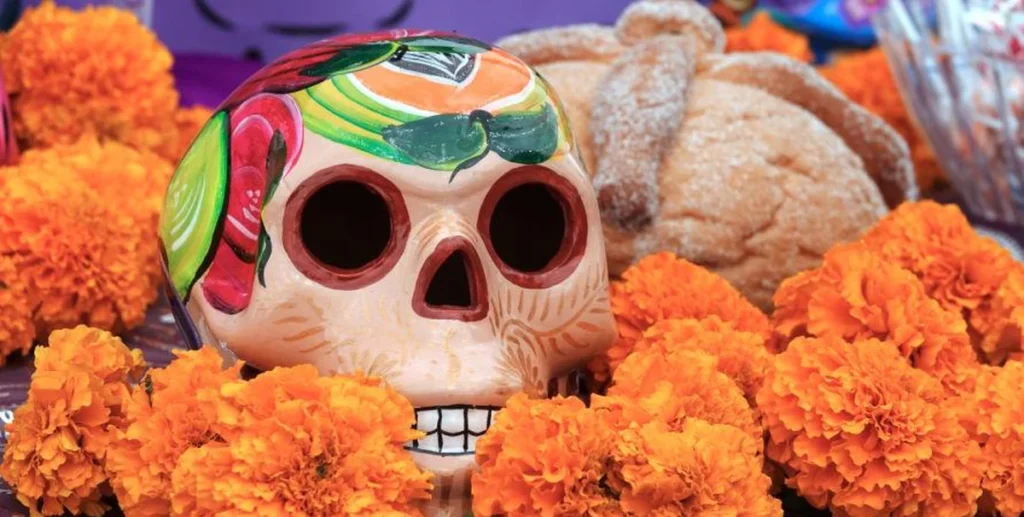
I used to think a Day of the Dead ofrenda had to be the big thing — the multi-tiered altar you see in the photos, covered in marigolds and sugar skulls, the kind families spend weeks building. Then I sat at my kitchen table with a mug of tea and a single photograph of my dad, and it hit me: the ofrenda is just a way of saying I remember you. The rest is just decoration.
An ofrenda (an offering) is an altar filled with items dedicated to a loved one who has passed on. It’s the heart of any Día de los Muertos celebration, and it can be as big or as small as your heart wants. Some take up an entire room. Mine is a painted matchbox. Both are enough.
Start with the person, not the supplies
The spirit of an ofrenda is simple: let your heart be your guide. Think about why you’re making it — the person, and the message you want to leave them. Tell a story that shows their personality. The objects you choose become the story.
Friends of mine have planned their ofrenda design for weeks. Others build theirs in minutes. I’ve even known people who hire professionals. There’s no wrong way. The belief behind the holiday is that the souls of family members return for a visit — so people prepare for them the way you’d prepare for a guest you haven’t seen in a long time. Delighted, fed, welcomed home.
What goes in an ofrenda
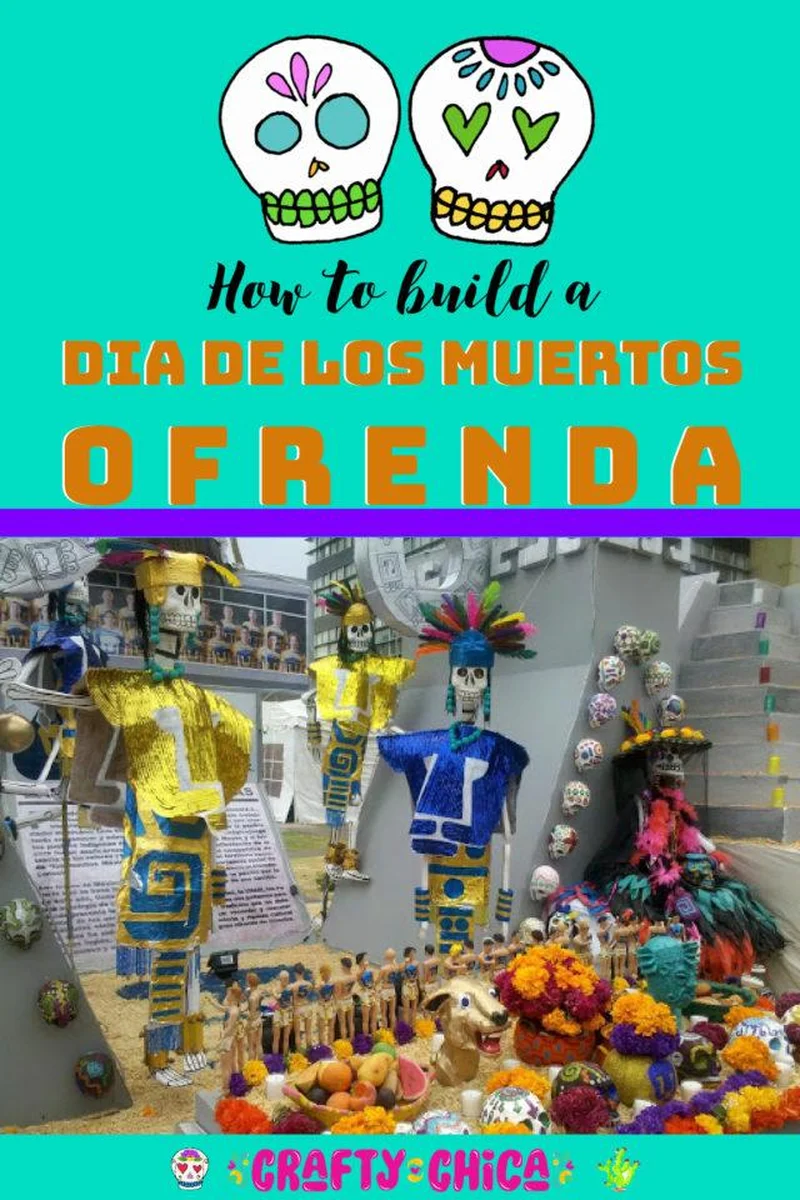
Most home ofrendas follow a similar shape, built in tiers. Here’s the pattern I’ve found, tier by tier.
The bottom tier is the most practical. This is where the candles live — to light the way — and a glass or pitcher of water, so the dead can refresh themselves after the long journey. Some families add a basin for washing and a mirror, so the returning soul can see itself again.
The second tier is for food and favorite things. This is how you make the dead feel at home: their favorite dishes, their favorite drink. I build an ofrenda for my dad every year, and I always leave a cup of coffee, a pack of cigarettes, and one of the watches he used to build on it. Tamales, mole, sugarcane, fruit, and a little liquor are common here too.
The top tier identifies who the ofrenda is for. Photographs of the person as they were alive sit on top, alongside images of saints and other religious items. If the person is unknown to you — a stranger you’re honoring in a community ofrenda — the photos and objects do the introducing.
The four elements
Going back to the Aztec times, people made home ofrendas with offerings representing the four elements of life: wind, earth, fire, and water — to honor the dead and encourage their return. Today’s altars still carry those four, in gentle form:
- Earth — food, bread, flowers. Anything that came from the ground.
- Water — a glass or pitcher of water, so the spirits can quench their thirst.
- Fire — candles, or copal (the traditional incense, if you can find it).
- Air — papel picado, the perforated paper banners whose movement in the breeze stands in for wind.
Photographs are the modern center of the ofrenda. They identify the person and, many believe, encourage the return. A handful of pictures really brings it to life. But photos aren’t required — a favorite object, a well-worn pair of shoes, a letter can say the same thing.
Food, flowers, and the things that feel like them
The food at an ofrenda varies a lot depending on the person it’s for. Their favorites sit front and center, alongside Day of the Dead staples like pan de Muerto, sugar skulls, and pan dulce.
Objects carry the same weight. Favorite toys are offered for children who have passed; alcohol and cigarettes for the adults who loved them. Religious symbols — a cross, photos of saints, angels — appear on many ofrendas, reflecting the Catholic roots of the holiday in much of Mexico.
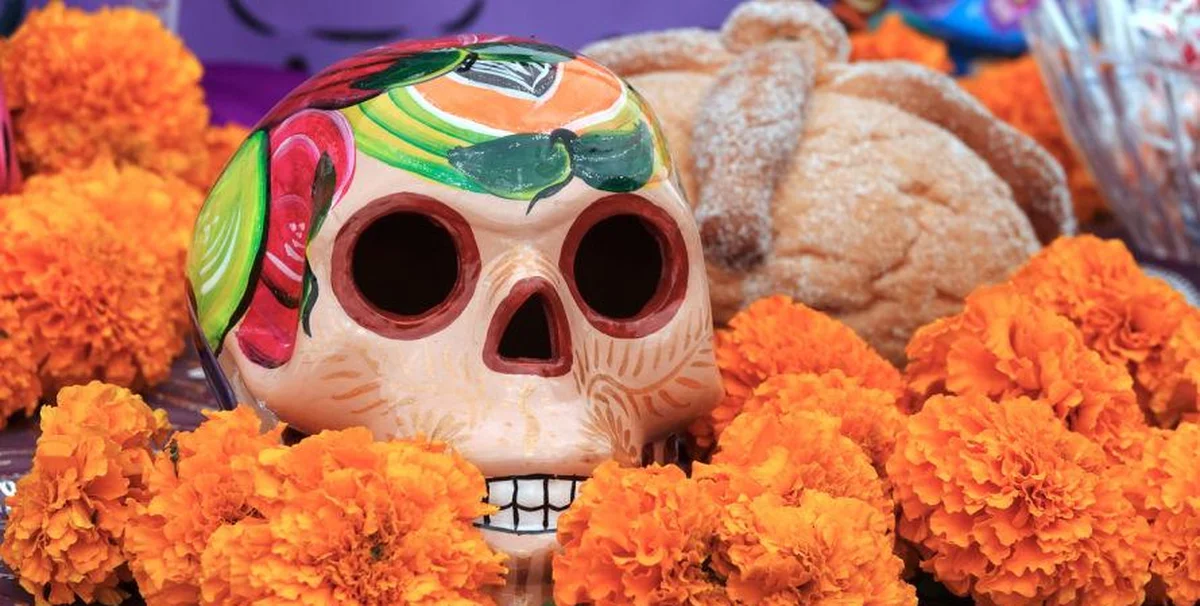
And then there are the marigolds. The bright orange flowers are another essential element: their scent is believed to be especially enticing to the dead, and their color is said to attract the spirits to the altar. The flowers are also a quiet reminder of how fragile life is.
I like to end with butterflies. In indigenous traditions, monarchs carry the returning spirits of ancestors between the living and the dead. Their orange wings symbolize the souls visiting family. Every fall, millions of monarchs make a long journey — thousands of miles, by most accounts — arriving in Michoacán’s oyamel fir forests at the start of November, right as Día de los Muertos begins.
Water, finally, is the one element in almost every ofrenda, and for good reason. After their long journey back from the spirit realm, the returning souls are believed to be weary and thirsty. A simple glass of pure water offers refreshment and renewal — the smallest, kindest thing you can leave on the table.
Make it yours
If you’re new to this, don’t buy anything yet. Start with one photograph, one candle, one glass of water, and one thing the person loved. That’s a complete ofrenda. Everything else is a bonus you add when you’re ready.
80/20 is enough. A small, honest altar beats a huge, anxious one every time.
A note from Hazel
Last year I stood in front of my dad’s ofrenda with a cup of coffee in my hand, and I finally understood what my abuela meant when she said the altar wasn’t for the dead — it was for the living. It was for me. Making the space gave me somewhere to put all the things I didn’t have words for. This year it’s going to be the same simple table, the same few things. Enough.