
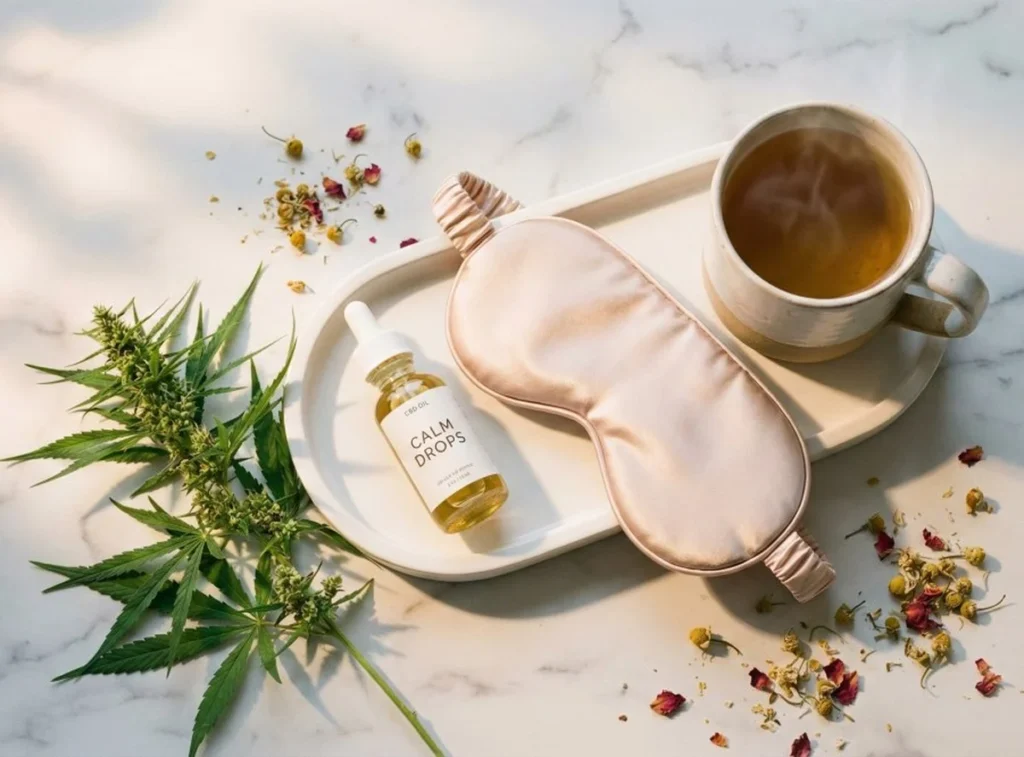
I keep a glass of water on my kitchen counter in the morning, three deep breaths before I open any emails, and that’s usually enough to steady me for the day. But there are weeks when even that isn’t quite it — when notifications blur together and everything feels like too much.
Most of us know that feeling. Stress isn’t just a bad afternoon anymore; it’s a constant hum underneath everything we do. And more people than ever are asking the same question: can cannabidiol actually calm the modern mind?
CBD made its way from health food stores to medicine cabinets almost overnight. It’s in oils, capsules, even mascara. But between hope and evidence, what do we really know?
A growing interest in a calmer alternative
Endless phone alerts and the weight of living through constant global upheaval fuel stress every single week. No wonder people are looking for gentler ways to cope.
CBD became a go-to option for those who find traditional approaches too heavy or misaligned with their lifestyle. Research published in Frontiers in Psychiatry shows that CBD interacts with the endocannabinoid system — a network that helps regulate mood, sleep, and the body’s response to stress.
Unlike THC, its better-known cousin, CBD produces no intoxicating effect. That’s part of its appeal: tranquility without mental fog.
The scientific picture is nuanced though. Some studies show CBD can help with social anxiety, particularly around public speaking or social situations. Other research suggests results vary depending on dosage, product quality, and how your own body responds.
Marketing tends to skip these details — but if you want to know whether it’s more than a placebo, the details are exactly what matter.
What does the science actually show?
Lab tests and small clinical trials give us reason for cautious optimism. Scientists found that CBD may interact with serotonin receptors — those feel-good chemicals in your brain.
By mimicking some of serotonin’s effects, CBD can signal to the brain that it’s safe to relax. That’s why many people report feeling less tense, more focused, and able to quiet their thoughts enough to fall asleep.
One study looked at frontline workers and found those using CBD reported much lower levels of emotional exhaustion. Another focused on anticipatory anxiety — that dread you feel before something even happens — and found CBD could help ease the tightness in your chest.
Researchers are also exploring how CBD might support the hippocampus, the part of the brain that processes emotions, so it functions well even under chronic stress.
Still, most of these studies are small, and long-term effects remain unclear. There’s no universal dose either. One person might feel a difference at 10 mg; another needs 50 mg to notice anything at all.
CBD isn’t a cure-all, and it shouldn’t replace therapy or prescribed medications for serious anxiety disorders. The FDA monitors CBD closely. While it’s generally well tolerated, it can interact with other medications. Side effects include fatigue, dry mouth, or digestive discomfort if you take too much.
Including CBD in daily life
Away from clinical journals, CBD is woven into everyday wellness culture now. A friend’s honest recommendation often carries more weight than a study abstract.
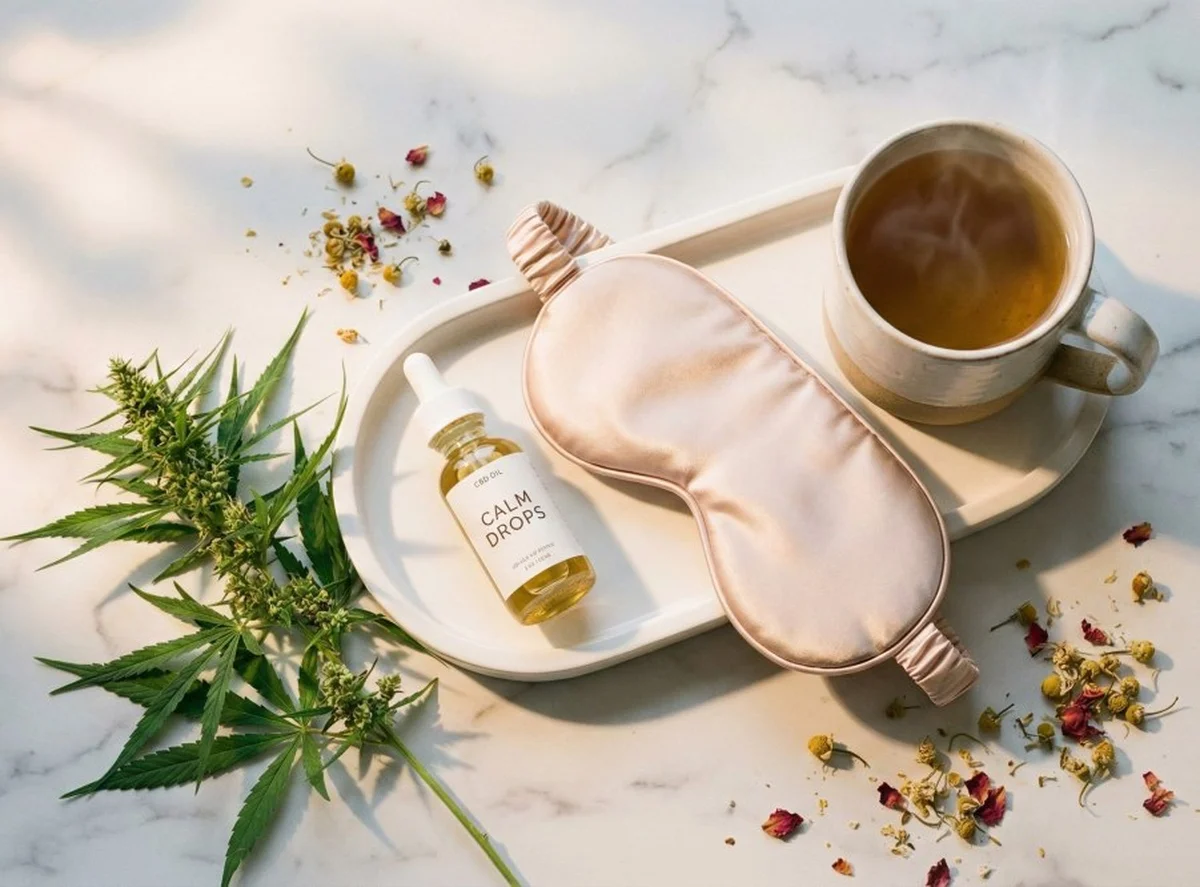
People talk about adding CBD to their nightly routine or using it to get through that 4 PM slump at the office. There’s something grounding about taking even a small moment for yourself — whether it’s applying a CBD-infused face oil or placing a tincture under your tongue.
The rise of specialized retailers reflects this normalization. Consumers are asking about sourcing, extraction methods, and third-party testing. The brands doing well right now are the ones being honest about where their hemp comes from.
At the same time, we shouldn’t oversimplify mental health. A drop of oil can’t fix stress and anxiety on its own. These things come from our biology, our personal circumstances, and the world around us.
CBD might help you feel a bit more balanced, but it works best alongside a broader plan — movement, whole food, actual sleep, therapy if you need it.
If you’re turning to CBD because you’re working 14-hour days without a break, the issue isn’t the supplement. It’s your schedule.
The must-knows before you buy
If you’re considering adding CBD to your routine, here’s what I think matters most.
Dosage
Start small. See how you feel over a few days, then decide if you need more. Starting with a high dose can leave you sleepy and spending money unnecessarily.
Methods of delivery
- Tinctures (oils): Placed under the tongue. They reach the bloodstream in about 15–30 minutes, making them best for acute stress.
- Gummies or edibles: Processed through your digestive system, so they take longer — up to 2 hours — but effects may last throughout the day.
- Vapes: Fastest delivery, but potentially hardest on your lungs. Many health-conscious people skip these.
- Topicals like creams: Great for sore muscles or skin concerns, but they don’t enter the bloodstream so they won’t help with mental state.
Quality
Some products contain less CBD than advertised. Others may carry traces of heavy metals or pesticides from the soil where hemp was grown.
Always look for a Certificate of Analysis. If a brand doesn’t post one on its website or won’t share it with you, I’d skip it. The COA is an independent lab report that verifies exactly what’s in the bottle.
Reading the label
- Full spectrum: Contains all the plant’s compounds, including a small legal amount of THC (under 0.3%). Many believe this works best because the plant components support each other.
- Broad spectrum: Other plant compounds included but no THC. Good if drug testing is a concern.
- Isolate: Pure CBD with no flavour or additional compounds. Common in skincare since it’s easiest to formulate with.
The cost
Good-quality CBD isn’t cheap, and insurance doesn’t cover it. It’s a lifestyle expense. Ask yourself whether the benefit is worth the price — or if that money would serve you better as a gym membership or a more restful mattress.
Finding balance in an anxious era
CBD’s rise reflects something honest: we’re all searching for calm in a world that rarely slows down. The idea of a plant-based way to relax is genuinely appealing.
But managing modern stress requires more than one tool. CBD might be part of it, but it shouldn’t be the whole thing.
It works best when it lowers your stress baseline enough that you can actually use your other coping skills — remember to breathe, set boundaries, step outside for a walk in the sunlight. When you’re not in full panic mode, those small habits become possible again.
For some people, CBD provides just enough initial stability to start making bigger lifestyle changes that address what’s really causing the stress.
The research will keep improving and products will become more consistent over time. For now, CBD is finding its place not as a wonder drug but as a helpful ally in a broader wellness approach.
The final verdict
Navigating CBD and anxiety means balancing curiosity with healthy skepticism. Do your homework. Talk to an expert. Look for lab reports. Keep expectations realistic.
Make calm a priority, whether that involves CBD or just a soothing skincare routine and a phone-free evening. Real calm rarely comes from shortcuts — it comes from choices that actually work for you over time.
80/20 is enough. You don’t need the perfect routine. You need one that sticks.
Frequently asked questions
Does CBD make you high?
No. Unlike THC, CBD produces no intoxicating effect. You won’t feel a psychoactive high from using CBD alone.
How long does it take for CBD to work?
It depends on the delivery method. Tinctures under the tongue typically take 15–30 minutes. Edibles and gummies can take up to 2 hours. Vaping is the fastest but may not suit everyone.
Can CBD interact with other medications?
Yes. CBD can conflict with certain medications, so it’s worth checking with a healthcare professional before starting — especially if you take prescriptions regularly.
A note from Hazel
I’ve been cautious about supplements for years — I spent too long chasing the next fix and not enough time on the basics. CBD fits somewhere in between: worth trying mindfully, but never a replacement for sleep, movement, or an honest conversation with someone you trust.
Keep Reading
- Restoring Your Smile: What I Learned About Dental Implants
- How to Stay Connected to Your Body During the Holidays
- How to Get Sick Less: A Practical Guide to Staying Well
Explore more in Mental Health.