
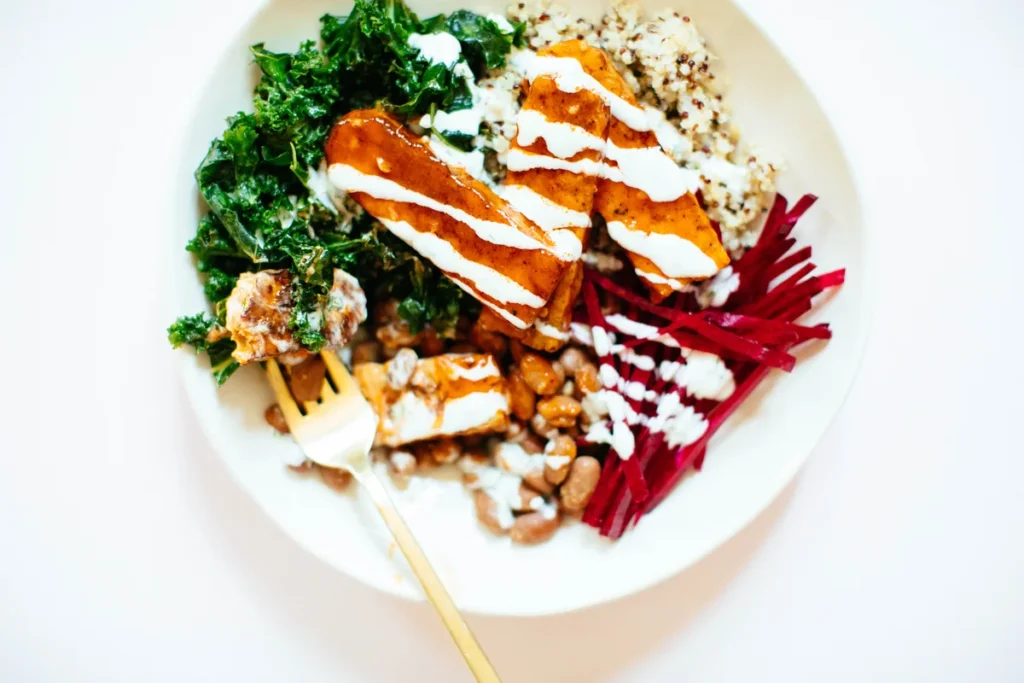
I used to stare at my kitchen counter like it was a test I had to pass. What counts as a ‘good’ meal? Am I doing this right?
The truth is, eating well-rounded meals affects more than just how your body feels — it shapes your energy, your mood, and the way you relate to food on an everyday basis.
We all hear it: eat balanced. Eat clean. Optimize everything. But if we don’t know why, it’s awfully easy to fall back into old habits or grab whatever’s quickest. Understanding the why makes daily choices feel lighter, not heavier.
Four reasons your body (and mind) will thank you
I’ve seen these shifts in my own life and with clients I work with as a registered dietitian. Here are four of the most meaningful ones.
1. Real nourishment, from the inside out
On the simplest level, your body runs on what you feed it. When meals include a mix of protein, fibre, healthy fats, and whole-food carbs, you’re giving every cell the nutrients it actually needs — not just calories to get through the afternoon.
Muscle repair, immune function, mental clarity — they all start at your plate.
2. Fewer cravings caused by restriction
This one is something I learned through trial and error myself. When you skip entire food groups or cut out a macronutrient without realizing it, your body notices. Fast.
Sometimes the gap is unintentional — maybe protein just isn’t your favourite thing to cook, or you never grew up adding fat to meals. Sometimes it’s intentional, like following a rule that says carbs are the enemy after 6 p.m.
Either way, missing pieces show up as cravings. The kind that lead to overeating or bingeing because your body is genuinely asking for something it didn’t get earlier in the day. Well-rounded meals prevent that cycle before it starts.
3. steadier blood sugar
Blood sugar gets a lot of attention, and for good reason. When it’s constantly spiking and dropping, you feel it — the shakiness, the irritability, the brain fog that makes afternoon emails feel impossible.
Not to mention the less-than-ideal numbers at your annual check-up.
Eating meals that combine carbs with protein and healthy fats naturally slows down sugar absorption. The result? Sustained energy instead of a mid-afternoon crash.
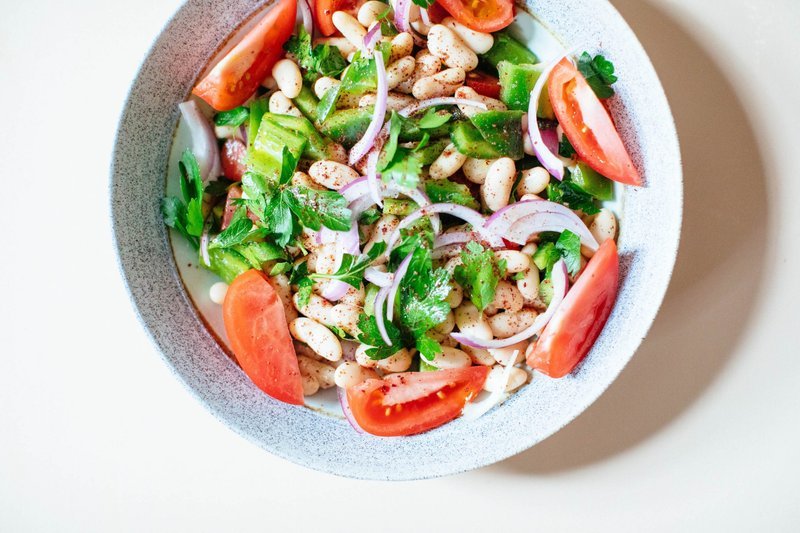
4. genuine fullness, not just physical
You know that feeling where you finish eating but still feel like something’s missing — like there’s a bottomless pit? That usually means the meal wasn’t balanced enough to signal satisfaction.
When your body gets all the components it expects, two things happen at once: you feel physically full, and mentally satisfied. No more wondering if you should have one more snack before bed.
How to build a balanced plate (without overthinking)
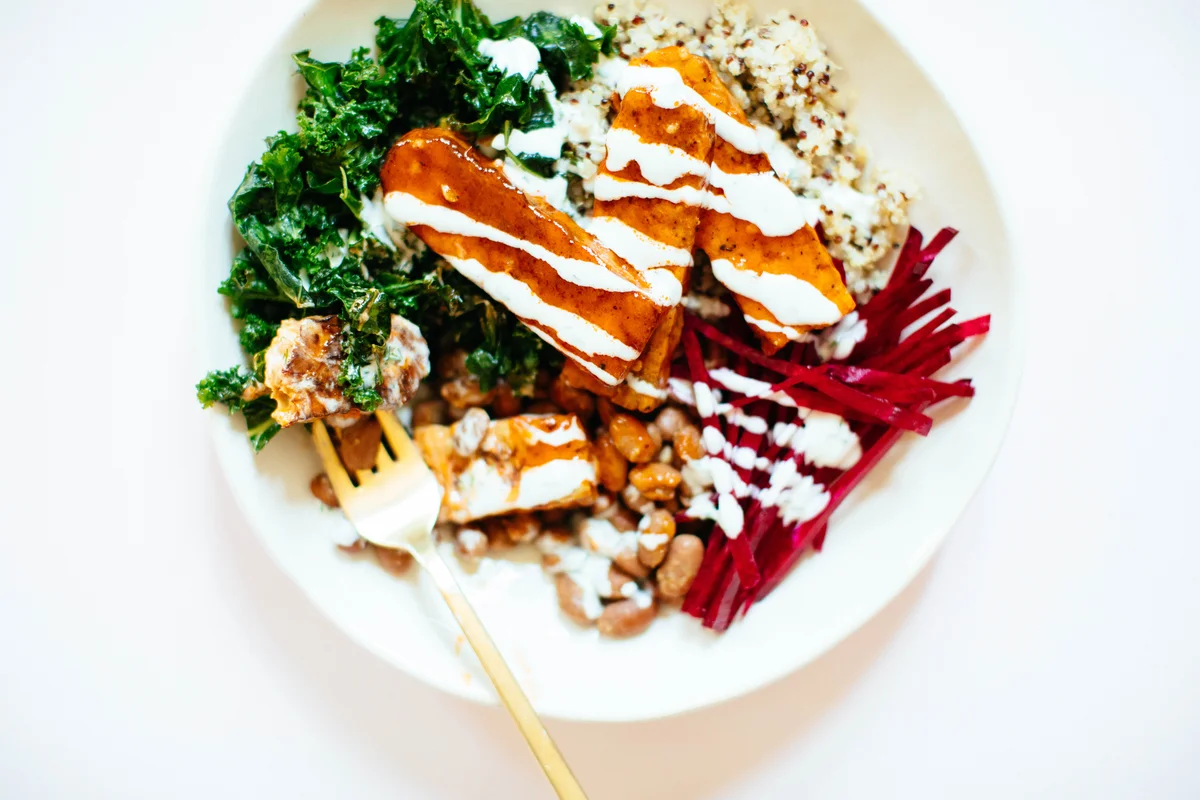
The framework I recommend is simple — five building blocks for every meal:
- Protein — chicken, tofu, beans, eggs, tempeh. Whatever you enjoy.
- Starchy carbs — rice, potatoes, oats, whole-grain bread. These are your energy base.
- Sugary carbs — fruit, a drizzle of honey, maybe a spoonful of maple syrup. Natural sweetness counts.
- Non-starchy veggies — leafy greens, peppers, broccoli, zucchini. Volume and fibre without the heaviness.
- Fat and flavour — olive oil, avocado, nuts, herbs, spices. This is where meals go from ‘fine’ to genuinely enjoyable.
A quick example: a bowl with roasted tempeh (protein), sweet potato (starchy carb), a handful of blueberries (sugary carb), steamed broccoli and red pepper (non-starchy veggies), tossed in olive oil and smoked paprika (fat and flavour). That’s it.
Now, does every single meal need all five? No. Because chasing perfection isn’t balanced either — it’s just another form of restriction. Use this as a guide, not a rule. I aim for it most days, and that’s enough. 80/20 is enough.
If you follow vegetarian, vegan, or any cultural eating pattern, the five blocks still apply — they just fill in with different ingredients. The framework adapts to your preferences; your preferences don’t have to adapt to it.
The Morning Reset
Today’s reset: build one intentional meal this week using all five building blocks. Not every meal — just one. Notice how you feel an hour after eating compared to a rushed, single-nutrient snack. Small shifts, big difference.
Frequently asked questions
Does balanced mean I can never eat pizza or cake again?
No. Balance is about the bigger picture — most of your meals, most days. A slice of pizza counts. Cake counts. The goal isn’t perfection; it’s a pattern that leaves you feeling good.
How many times a day should I follow this framework?
I usually suggest starting with one or two meals per day. Once it feels natural, expand if you want to. There’s no prize for doing all three perfectly every day — and trying too hard can backfire.
Can I use this framework on a budget?
Absolutely. Beans, eggs, frozen veggies, rice, and seasonal fruit cover all five categories at a low cost. Balanced eating doesn’t require fancy ingredients — just awareness of what goes on your plate.
Nutrition advice can feel overwhelming, especially when everyone has an opinion. I get it. What’s helped me most is stripping things back to the basics: real food, five building blocks, and permission to let go of the rest.


Keep Reading
- Are Seed Oils Actually Unhealthy? What the Evidence Really Says
- 8 Factors That Can Alter Your Food Portions
- Restoring Your Smile: What I Learned About Dental Implants
Explore more in Nutrition.